
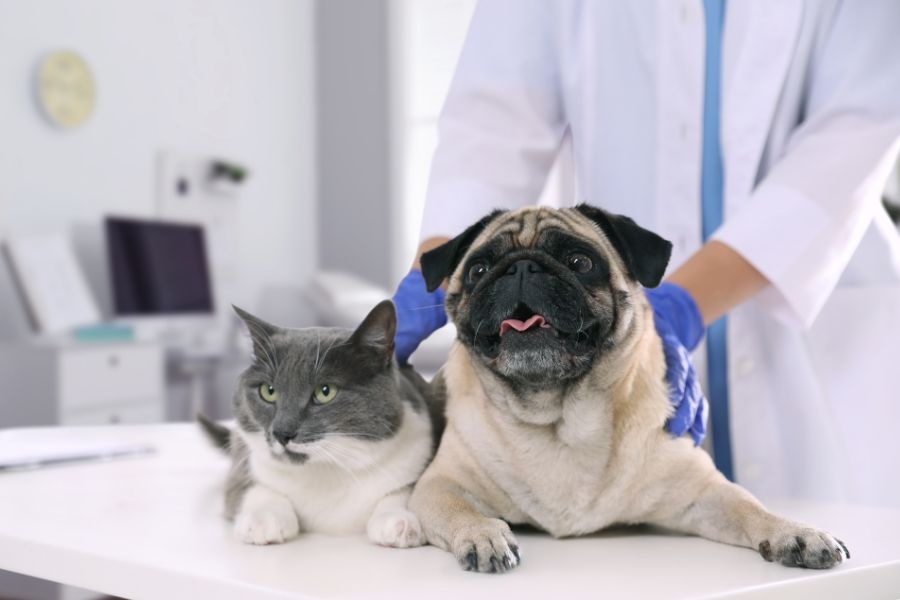
Your senior pet needs a wellness exam every six months, not just once a year. Pets age far faster than people do. A single year in a dog or cat’s life can equal five to seven human years. That means a lot can change between annual visits. In Winter Park, we see older pets every week whose conditions could have been caught earlier with more frequent checkups. A senior pet wellness exam is one of the most powerful tools we have to protect aging dogs and cats. These visits help us find early signs of arthritis, kidney disease, dental problems, and cancer before they become serious. If your dog or cat is seven years or older, this article will explain why twice-yearly exams matter and exactly what happens at each visit.
What Counts as a Senior Pet?
Most dogs and cats are considered senior by age seven. Larger dog breeds age faster and may reach senior status closer to five or six years old. Small breeds often stay in a middle-aged range a little longer.
Once your pet reaches that threshold, the pace of physical change speeds up significantly. Organ function, metabolism, joint health, and immune response all begin to shift. Many of these changes happen quietly, without obvious symptoms.
In our experience, many pet owners are caught off guard when an older dog is diagnosed with kidney disease or a mass. There were often early warning signs, but they appeared between annual checkups and were missed. Twice-yearly visits close that gap.
Why Once a Year Is Not Enough for Senior Pets
Does your senior pet really need to see the vet twice a year? Yes, and here is why. A lot can change in six months for an aging animal. Conditions like hyperthyroidism, diabetes, and early kidney failure can progress from undetectable to serious in that window.
A twice-yearly vet visit allows your veterinarian to track trends over time. Blood pressure readings, weight changes, and lab values can be compared visit to visit. That comparison often tells a clearer story than any single snapshot.
The American Animal Hospital Association (AAHA) recommends biannual wellness exams for senior and geriatric pets. Their guidelines reflect decades of clinical data showing that more frequent monitoring leads to earlier intervention and better outcomes. Pet owners often tell us they wish they had started twice-yearly visits sooner.
What Happens During a Senior Pet Wellness Exam
Here is what you can expect at a typical senior wellness visit:
- Physical exam from nose to tail. Your vet checks eyes, ears, teeth, skin, lymph nodes, heart, lungs, and abdomen. Many lumps, dental problems, and early organ changes are found here.
- Weight and body condition assessment. Unexplained weight loss or gain in senior pets is a red flag. Your vet will track this carefully at each visit.
- Blood and urine testing. A senior pet blood work panel checks kidney and liver function, blood sugar, thyroid levels, and red and white blood cell counts.
- Blood pressure measurement. High blood pressure is common in older cats and dogs and often goes undetected without testing.
- Joint and mobility evaluation. Your vet will assess your pet’s range of motion and watch for early signs of arthritis or pain.
- Parasite screening. Heartworm, intestinal parasites, and tick-borne diseases are screened regularly.
- Vaccination review. Your vet will confirm which vaccines are current and which are due based on your pet’s lifestyle and risk level.
- Conversation about changes at home. You know your pet best. Any behavioral shifts, appetite changes, or new symptoms you describe are valuable diagnostic clues.
Each visit typically takes 30 to 45 minutes. Bring a list of any changes you have noticed at home, no matter how small.
What Senior Pet Blood Work Actually Reveals
Many pet owners assume senior pet blood work is just a formality. It is not. Lab panels are one of the most informative tools available for aging pets.
A complete blood count reveals anemia, infection, and immune system problems. A chemistry panel evaluates kidney and liver function, blood glucose, and electrolytes. Thyroid testing is especially important for senior cats, since hyperthyroidism is one of the most commonly diagnosed conditions in older felines.
In Florida’s warm climate, we also see a higher-than-average rate of tick-borne diseases like ehrlichiosis and anaplasmosis in dogs. Regular screening catches these before they cause organ damage. Senior pet blood work gives us a complete picture of what is happening internally, even when your pet looks fine on the outside.
Aging Cat Vet Care: What’s Different for Cats
Cats are masters at hiding illness. Aging cat vet care requires a different approach than it does for dogs. Cats rarely show obvious pain or discomfort until a condition is advanced.
Hyperthyroidism, chronic kidney disease, and dental disease are the three most common conditions we diagnose in senior cats. All three are manageable with early detection. All three are often invisible to owners until symptoms become severe.
One of the most common misconceptions we hear is that a cat slowing down is just getting older. Sometimes that is true. But often, a senior cat that is less playful, sleeping more, or grooming less is signaling a health issue. A twice-yearly exam gives us a chance to tell the difference. With regular monitoring, many cats manage chronic conditions well into their late teens.
Keeping Your Senior Pet Comfortable and Healthy
Your senior pet has given you years of loyalty and companionship. Twice-yearly exams are the best way to return that care. Early detection saves lives, reduces treatment costs, and prevents unnecessary suffering.
A senior pet wellness exam every six months means more time to act, more options for treatment, and more quality time with your pet. The vet team at 4 Paws Animal Clinic is experienced in senior pet care and is here to guide you through every stage of your pet’s life. If you are a pet owner in Winter Park and your dog or cat is seven years or older, do not wait for a problem to appear. Schedule their next exam today.
Frequently Asked Questions
At what age is a dog or cat considered senior?
Ans: Most dogs and cats are considered senior at age seven. Larger dog breeds may reach senior status closer to five or six years old due to their faster aging rate. Your veterinarian can help you determine where your specific pet falls based on breed and overall health.
Why do senior pets need exams every six months instead of once a year?
Ans: Senior pets age much faster than people do. Conditions like kidney disease, diabetes, and cancer can develop and progress significantly within six months. Twice-yearly exams allow your vet to catch changes early, when treatment is most effective.
What does a senior pet blood work check for?
Ans: A senior blood panel typically evaluates kidney and liver function, blood sugar, thyroid levels, red and white blood cell counts, and electrolytes. In Florida, tick-borne disease screening is also commonly included. These tests can reveal serious conditions before visible symptoms appear.
My senior cat seems healthy. Does she still need twice-yearly visits?
Ans: Yes. Cats are especially skilled at masking illness. Many serious conditions in senior cats, including hyperthyroidism and chronic kidney disease, show no obvious signs until the disease is advanced. Regular wellness visits catch these conditions while they are still manageable.
What should I bring to my senior pet’s wellness exam?
Ans: Bring a list of any changes you have noticed at home, including shifts in appetite, water intake, energy level, bathroom habits, or behavior. Also, bring any current medications or supplements your pet takes. The more detail you can share, the more useful the visit will be.