
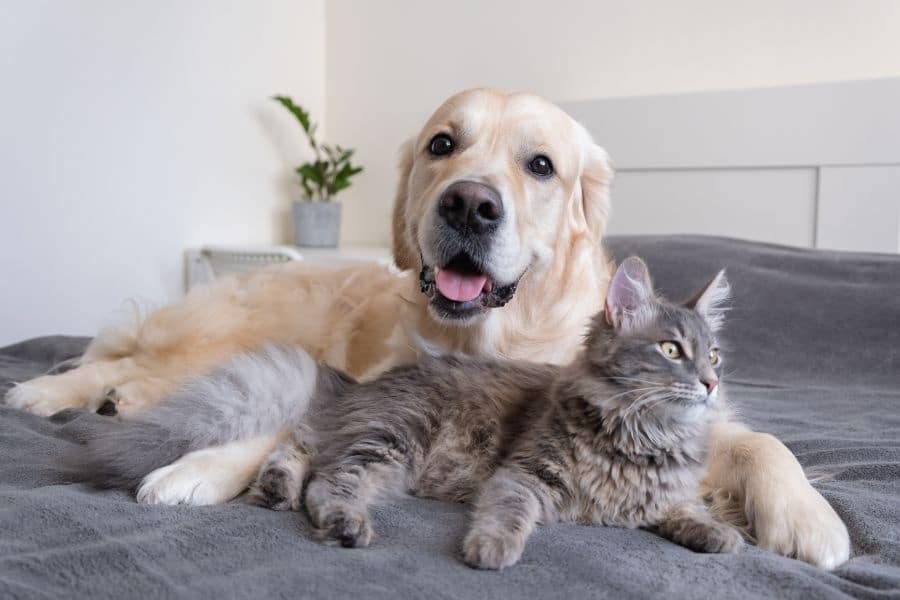
Scheduling spay or neuter surgery for your pet is one of the most responsible decisions you can make as an owner. It helps control the pet population, reduces certain health risks, and can positively influence behavior. But for many pet owners, the days leading up to the procedure bring a wave of questions and nerves. What should you feed them? When do you stop giving water? What does the morning of surgery actually look like? The good news is that preparing your dog or cat is straightforward when you know exactly what to do. This guide walks you through every step so you and your pet can head into surgery day with confidence.
Why Spaying and Neutering Matters for Your Pet’s Long-Term Health
Spay or neuter surgery is among the most commonly performed veterinary procedures in the country, and for good reason. For female pets, spaying eliminates the risk of uterine infections and significantly reduces the likelihood of mammary tumors, especially when performed before the first heat cycle. For male pets, neutering removes the risk of testicular cancer and lowers the chance of prostate problems later in life.
Beyond the health benefits, these procedures reduce hormone-driven behaviors like roaming, marking, and aggression, making life easier for both pets and their owners. Studies estimate that up to 80% of dogs and cats benefit from improved behavior and health outcomes following the procedure.
Many pet owners assume their animal needs to experience one heat cycle or reach a certain size before surgery is safe. In most cases, your veterinarian will determine the right timing based on your pet’s breed, weight, and overall health. There is no single universal rule, which is exactly why a pre-surgical consultation matters.
Signs Your Pet May Need Extra Pre-Surgery Attention
Not every dog or cat goes into surgery under identical circumstances. Certain signs before the procedure should prompt a conversation with your veterinarian before the appointment day arrives.
- Vomiting or diarrhea in the 48 hours before surgery: Gastrointestinal upset can complicate anesthesia. Contact your vet if this occurs so they can advise whether to reschedule.
- Lethargy or unusual behavior: A pet that seems off, sluggish, or disinterested in food outside of fasting hours may need a pre-surgical exam.
- Sneezing, coughing, or nasal discharge: Respiratory symptoms can affect how your pet tolerates anesthesia. Always disclose these to your vet in advance.
- Recent medication changes: Some medications interact with anesthetic drugs. Inform your veterinary team of everything your pet currently takes.
- Heat cycle in female pets: If your dog or cat enters a heat cycle close to the scheduled date, notify your clinic right away. Many veterinarians prefer to wait until the cycle ends.
One thing we see often in practice: owners notice something is off with their pet but assume it is too minor to mention. When it comes to pet surgery, no detail is too small. Tell your vet everything, and let them decide what is relevant.
What to Expect the Morning of Surgery: A Step-by-Step Guide
Knowing exactly what happens on surgery day removes a lot of the anxiety for pet owners. Here is a clear walkthrough of the typical process:
- Withhold food after midnight. Most clinics require your pet to fast for 8 to 12 hours before the procedure. This is the single most important pre-surgical instruction. A full stomach increases the risk of aspiration during anesthesia, which can be life-threatening. This step answers the question many owners ask: what does pet fasting before surgery actually mean? It means no kibble, no treats, no table scraps after the cutoff your vet gives you.
- Follow water instructions carefully. Some clinics allow small amounts of water up to a few hours before surgery. Others require nothing after midnight. Ask your vet for their specific protocol and follow it exactly.
- Skip the morning walk or exercise. Keep your pet calm and rested. Excitement raises heart rate and can complicate sedation.
- Arrive at the clinic at the scheduled drop-off time. In Winter Park, FL, mornings can get busy, so plan to arrive a few minutes early. Bring any health records, vaccination documentation, or medications your vet requested.
- Expect a brief check-in exam. A technician or veterinarian will do a quick assessment of your pet’s vitals before proceeding to anesthesia.
- Leave your contact information and be reachable. You will receive a call when the procedure is complete and again when your pet is ready for pickup.
Pet fasting before surgery is not just a rule. It is a safety measure that directly impacts your pet’s well-being during the procedure, so never skip this step even if your pet seems hungry.
How Florida’s Climate Can Affect Your Pet’s Surgery Prep
Florida’s heat and humidity are a reality that factors into how you prepare your pet for any veterinary procedure. In warm months, pets can become mildly dehydrated more quickly than in cooler climates, which is something your veterinary team accounts for during pre-surgical bloodwork and IV fluid decisions.
For dogs especially, avoid any outdoor activity in the heat the day before and the morning of surgery. Overheated or stressed pets do not respond to anesthesia as predictably as calm, rested ones. This is a detail many owners in Central Florida overlook, and it is worth factoring into your day-of plan.
A common misconception is that a visibly healthy, active pet does not need pre-surgical bloodwork. In reality, baseline bloodwork before spay or neuter procedures gives your veterinary team a complete picture of how your pet’s organs are functioning before anesthesia is administered. Even young, healthy animals can have underlying values that affect surgical safety. This is standard best practice, not an unnecessary add-on.
If you want guidance on how to prepare pet surgery appointments for dogs and cats in Florida’s climate, your veterinary team is your best resource for location-specific recommendations.
Choosing the Right Clinic for Your Pet’s Spay or Neuter Procedure
Not all veterinary clinics offer the same level of surgical care, and it is worth knowing what to look for when making your choice. Here are the most important factors:
- Experienced surgical team: Ask whether your pet’s procedure will be performed by a licensed veterinarian with surgical experience, not a supervised technician.
- Anesthesia monitoring: A reputable clinic uses continuous monitoring of heart rate, oxygen levels, and temperature throughout the procedure.
- Pre-surgical bloodwork offered on-site: This should be standard, not optional.
- Clear discharge instructions: You should leave the clinic knowing exactly what to do for dog and cat neuter tips during recovery, including activity restrictions, incision care, and when to call with concerns.
- Transparent communication: Your clinic should welcome your questions and answer them without making you feel rushed.
At 4 Paws Animal Clinic, the surgical team in Winter Park prioritizes patient safety and owner communication from the first consultation through full recovery. When choosing a clinic, trust matters as much as convenience.
Conclusion
Preparing your pet for spay or neuter surgery does not need to be stressful. Follow your veterinarian’s fasting instructions, keep your pet calm, disclose every health detail, and arrive on time. The preparation you do at home directly supports the safety of what happens in the clinic. Following spay recovery care tips from your vet team after the procedure is equally important: restrict activity, monitor the incision site, and attend any follow-up appointments as scheduled. When you are informed and prepared, your pet is in the best possible position for a smooth procedure and a fast recovery. Book an appointment today.
Frequently Asked Questions
Q: How long does my pet need to fast before spay or neuter surgery?
Ans: Most veterinarians require pets to fast for 8 to 12 hours before surgery. This typically means no food after midnight the night before the procedure. Water restrictions vary by clinic, so always confirm the specific instructions with your veterinary team.
Q: Can I give my pet their regular medications the morning of surgery?
Ans: Not without checking first. Some medications are safe to give with a small sip of water, while others must be withheld before anesthesia. Provide your vet with a complete list of all medications and supplements your pet takes so they can advise you on what to do.
Q: What should I bring to the clinic on surgery day?
Ans: Bring any vaccination records your clinic has requested, a list of your pet’s current medications, and a valid contact number where you can be reached during the procedure. Some clinics also ask you to bring your pet’s usual collar or harness.
Q: How long will my pet need to recover after spay or neuter surgery?
Ans: Most dogs and cats return to normal activity within 10 to 14 days. Activity must be restricted during this time to protect the incision. Your veterinarian will provide a full set of recovery instructions at discharge, including when to schedule a follow-up visit.
Q: Is it normal for my pet to be groggy or quiet after surgery?
Ans: Yes. Anesthesia takes several hours to fully wear off, and your pet may seem sleepy, disoriented, or less interested in food for the remainder of the day. This is expected. Contact your veterinarian if your pet is still not eating or acting normally by the following morning, or if you notice any swelling, discharge, or excessive licking at the incision site.