
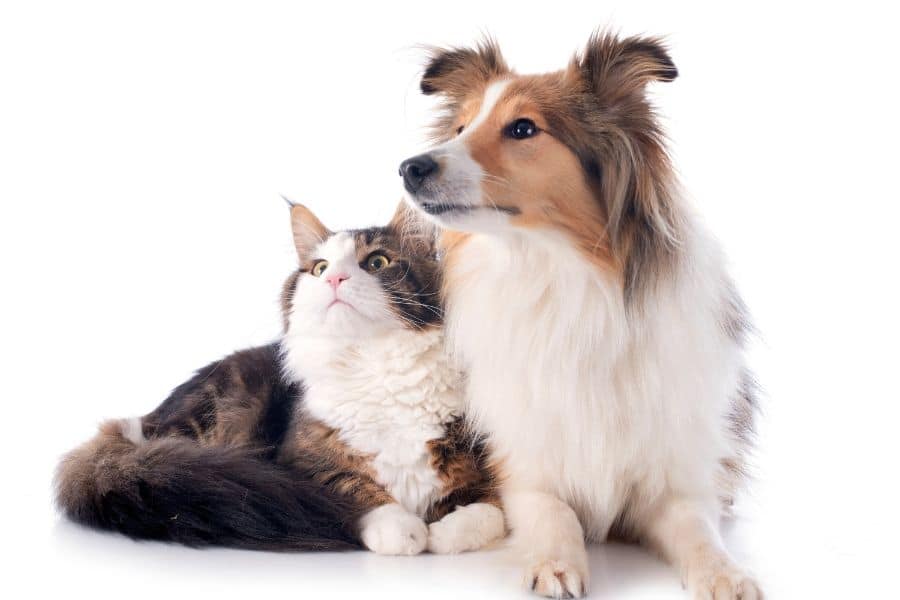
Every pet owner knows the scene. You set down two identical food bowls at the exact same time, filled with the exact same food, and somehow your dog is already convinced your cat got the better deal. The staredown begins. The low grumble follows. Then the theatrical sigh, the dramatic retreat to the couch, and the cold shoulder that lasts until snack time. Sound familiar? Pets fighting at home is one of the most relatable, hilarious, and sometimes baffling parts of sharing your life with multiple animals. But underneath all the comedy is real animal behavior worth understanding. This article breaks down why your pets act like a bickering old couple, what it actually means, and when the drama crosses a line that needs attention.
Why Do Pets Argue? The Science Behind the Squabble
Why do pets fight over things that seem completely irrational to us? The answer lies in how animals communicate, compete, and establish their place in the household.
Pets are wired to assess resources. Food, resting spots, your lap, and a sunny window ledge all of these carry real social value in the animal world. When dogs and cats living together share a space, they are constantly, quietly negotiating who gets what. Most of the time, these negotiations are subtle: a slow blink, a turn back, and a deliberate yawn. But sometimes they escalate into the full theatrical production you know and love.
What looks like petty drama to you is actually your pets communicating in their native language. The classic “that’s MY human” move, the toy-hoarding that starts the second the other pet shows interest, and the sudden urgent need to sit in the exact spot the other animal just vacated are all normal expressions of social behavior. Knowing that takes some of the stress out of watching your fur family work things out on their own terms.
The Greatest Hits: Pet Conflicts Every Multi-Pet Home Knows
If you live with more than one pet, you have witnessed at least one of these award-winning performances:
- The Food Bowl Conspiracy: Both bowls are identical. Both are filled at the same time. One pet is still convinced the other got something better and will spend five minutes investigating before eating their own.
- The Toy That Nobody Wanted Until Someone Else Had It: That chew toy sat ignored for three days. The second your cat nudges it, your dog suddenly cannot live without it.
- The Warm Spot Takeover: Your cat gets up to stretch. Your dog immediately occupies the warm spot. Your cat returns, stares in disbelief, then stages an elaborate sit-beside-them protest.
- The Alarm Clock Disagreement: One pet wants to eat at 5:47 a.m. The other is not a morning person. You are caught in the middle.
- The Classic Cold Shoulder: After a minor disagreement, one pet exits the room with maximum theatrical flair and refuses to acknowledge the other exists for the next forty-five minutes.
A real-world observation from veterinary practice: many multi-pet households assume their pets truly dislike each other based on these moments. In reality, the same animals are often found curled up together an hour later. The conflict was real and already resolved.
Reading the Room: Playful Drama vs. Real Tension
Multi-pet household tips always include this one: learn to tell the difference between harmless bickering and genuine stress.
Play-fighting and mock arguments are healthy. They stimulate your pets mentally, help them establish comfortable boundaries, and burn energy. Signs this is all good fun include loose, wiggly body language, self-handicapping (a bigger dog crouching low with a smaller pet), and quick disengagement with no lingering tension.
Genuine conflict looks different. Watch for:
- Stiff, rigid posture with no softness in the body
- Fixed, unblinking stares that neither animal breaks
- Raised hackles along the back of a dog
- Hissing or growling that sounds genuinely distressed rather than playful
- One pet actively avoiding certain rooms or resources over several days
If you notice any of these signs consistently, contact your veterinarian promptly. Ongoing tension between pets can indicate pain, anxiety, or an underlying health issue in one or both animals not simply a personality clash. Changes in pet behavior at home are one of the most common early indicators that something medical may be going on.
When a New Pet Joins the Family Circus
Adding a new animal to a household that already has pets is where the real drama begins. Dogs and cats living together for the first time create a negotiation period that can range from a few awkward days to a few entertaining months.
A common misconception: many pet owners in Winter Park, FL, assume that if their pets do not immediately love each other, they never will. This is rarely true. Most animals need time, space, and controlled introductions to establish a working relationship. Forcing interaction too fast is the most common mistake.
Here is what actually helps:
- Introduce scent before you introduce animals; swap bedding or use a cloth with each pet’s scent before any face-to-face meeting.
- Use a baby gate or cracked door to let pets investigate each other with a barrier present first.
- Feed them on opposite sides of the same door so they associate each other’s presence with something positive.
- Give each pet a dedicated space, a room, a crate, or a shelf that the other cannot access.
- Keep early interactions short, calm, and heavily rewarded on both sides.
The drama of those first weeks? Completely normal. The pet behavior at home usually settles into a comfortable rhythm faster than owners expect.
When the Bickering Needs a Vet’s Opinion
Most multi-pet squabbles are pure comedy. But some behavior changes deserve a professional eye.
Sudden aggression between pets who previously got along is a red flag. Pain changes behavior fast. A dog with a sore joint snaps when touched in a way they never did before. A cat with a urinary issue becomes irritable and withdrawn. What looks like a personality conflict between your pets can sometimes be one animal communicating that something hurts.
Keeping pets happy together long-term means keeping them healthy. Annual wellness visits, parasite prevention, dental care, and weight management all affect how your pets feel and how they interact. An uncomfortable pet is a grumpy pet.
4 Paws Animal Clinic, serving the Winter Park, FL community, provides veterinary care for dogs and cats across all life stages. If your multi-pet household dynamics shift noticeably, a quick visit can rule out anything medical and get everyone back to their regularly scheduled bickering.
Conclusion
The truth about living with multiple pets is this: the squabbles, the standoffs, and the theatrical sulking are all part of the package. Pets fighting at home is usually a sign of healthy animals with opinions, boundaries, and a whole lot of personality. Enjoy the drama. Laugh at the food bowl conspiracy. Appreciate the warm-spot politics. And when the behavior genuinely concerns you, trust your instincts and call your vet. Your pets deserve to live their best, healthiest, most dramatically fulfilled lives. Book an appointment today.
Frequently Asked Questions
Q: Is it normal for my dog and cat to fight every day?
Ans: Minor daily squabbles between dogs and cats are common, especially over resources like food, toys, and resting spots. As long as both animals disengage quickly and show no signs of injury or lasting stress, everyday bickering is usually normal social negotiation. If conflicts escalate or one pet begins avoiding the other consistently, speak with your veterinarian.
Q: How do I know if my pets are play-fighting or actually fighting?
Ans: Play-fighting involves loose, bouncy body language, role-swapping (each pet takes turns being “chased”), and quick, relaxed disengagement. Real fighting involves stiff postures, hard stares, raised hackles, and animals that do not disengage easily. Growling or hissing during play is not automatically a concern, but sustained, escalating tension is.
Q: Why does my pet suddenly start fights with another pet they used to get along with?
Ans: Sudden behavior changes between previously compatible pets often signal a health issue in one of the animals. Pain, illness, anxiety, or hormonal changes can all affect how a pet interacts with others. A veterinary check is the right first step when this happens unexpectedly.
Q: Can pets that fight ever learn to get along?
Ans: Yes, in most cases. Proper reintroduction techniques, separate feeding areas, enrichment for both pets, and patience resolve the majority of multi-pet conflicts. In cases involving significant aggression, a veterinarian or certified animal behaviorist can guide you through a structured plan.
Q: Should I intervene when my pets argue?
Ans: For minor squabbles with no physical contact, calmly redirecting both pets with a noise or a toy is usually enough. Never physically place yourself between two animals in active conflict, as bites during redirected aggression are common. If conflicts involve physical altercations, consult your veterinarian for a safe management plan.