
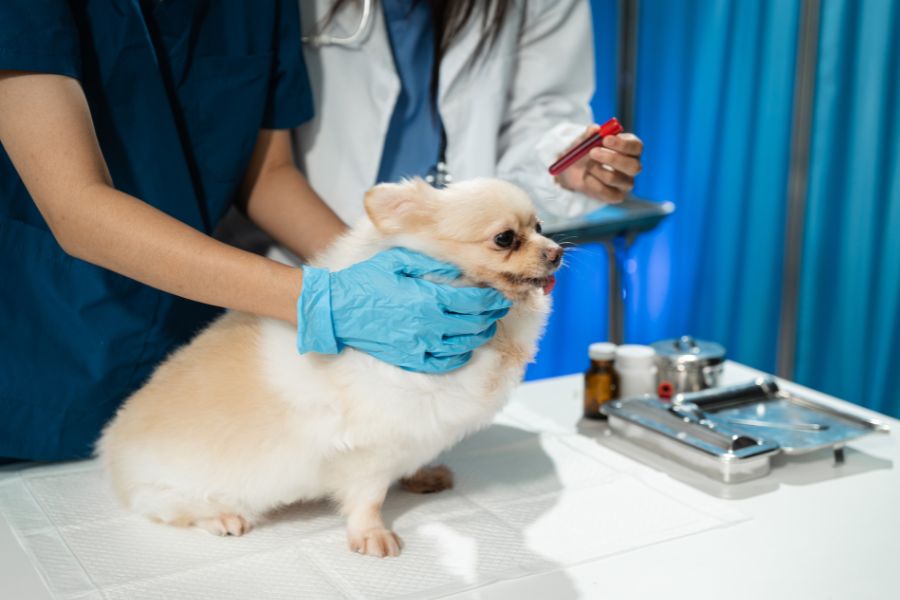
Watching your pet undergo blood work can feel stressful, especially when the results arrive filled with abbreviations, numbers, and medical terms that seem impossible to understand. Many pet owners leave veterinary appointments wondering whether the results are normal, serious, or something that simply needs monitoring over time.
If you’re a pet owner in Winter Park, FL, this blog is especially for you. Learning how pet blood tests and veterinary diagnostics work can help you feel more informed during veterinary visits and better understand your pet’s overall health. Scheduling a visit with 4 Paws Animal Clinic can also help answer questions specific to your pet’s needs.
Why Routine Blood Testing Matters for Pets
Blood tests offer a closer look at what is happening inside your pet’s body. Physical symptoms often appear after a condition has already progressed, while blood work may identify early warning signs before visible changes develop.
Veterinarians commonly recommend blood testing for:
- Annual wellness exams: Blood work can detect hidden health concerns early.
- Senior pet monitoring: Aging pets benefit from regular screenings for organ function.
- Pre-surgical evaluations: Testing helps identify risks before anesthesia.
- Illness diagnosis: Blood panels help narrow down causes of symptoms.
- Medication monitoring: Certain treatments require ongoing blood analysis.
Dogs and cats can appear healthy even as underlying conditions develop. Routine testing provides veterinarians with useful information to create treatment plans and track long-term health changes.
Understanding the Two Main Blood Panels
Most veterinary blood work includes two primary tests: a complete blood count and a blood chemistry panel. Each serves a different purpose.
Complete Blood Count Explained Simply
A complete blood count, often called a CBC, evaluates blood cells and immune function.
Key parts of a CBC include:
- Red blood cells: Carry oxygen throughout the body.
- White blood cells: Help fight infections and inflammation.
- Platelets: Support blood clotting after injuries.
Abnormal results can point toward infections, anemia, immune disorders, dehydration, or bleeding problems.
Blood Chemistry Panel Basics for Owners
A chemistry panel examines organ function and chemical balance.
Veterinarians use chemistry results to evaluate:
- Kidney health
- Liver function
- Blood sugar levels
- Protein balance
- Electrolytes
Chemistry panels are especially helpful when pets show symptoms such as vomiting, weight loss, fatigue, increased thirst, or changes in appetite.
What High or Low Values Could Indicate
Seeing results marked “high” or “low” can immediately create worry. Numbers outside the normal range do not always mean your pet has a serious disease.
Veterinarians interpret results by considering:
- Your pet’s age
- Breed characteristics
- Medical history
- Current symptoms
- Medications
- Hydration levels
One slightly abnormal value may not require treatment, while several abnormal markers together can provide important clues.
Red Blood Cell Changes in Pets
Red blood cells transport oxygen throughout the body. Low red blood cell counts may suggest anemia.
Possible causes include:
- Blood loss: Injuries, internal bleeding, or parasites may reduce counts.
- Chronic illness: Kidney disease and inflammatory conditions can affect production.
- Nutritional deficiencies: Low iron or vitamin levels sometimes contribute.
High red blood cell levels may occur from dehydration or certain medical conditions.
White Blood Cell Count Meaning
White blood cells play a role in the immune system. Elevated levels may indicate infection, inflammation, stress, or immune responses.
Low white blood cell counts sometimes appear with:
- Viral infections
- Bone marrow disorders
- Certain medications
- Severe illness
Veterinarians evaluate these values alongside physical symptoms and additional testing.
Platelet Levels and Bleeding Risks
Platelets help blood clot properly. Low platelet counts may increase bleeding risks after injuries or surgery.
Potential causes include:
- Immune disorders
- Tick-borne diseases
- Infections
- Medication reactions
High platelet counts are usually less concerning but may still require monitoring depending on the overall results.
Liver and Kidney Numbers Often Confuse Owners
Many pet owners become overwhelmed when reviewing liver and kidney markers. Understanding the basics can make conversations with your veterinarian easier.
Kidney Values Commonly Found On Reports
Kidney markers often include BUN and creatinine.
Higher values may suggest:
- Dehydration
- Kidney disease
- Urinary obstruction
- Reduced kidney function
Early kidney disease may produce only mild changes, which is why regular blood testing matters for aging pets.
Liver Enzymes and Their Significance
Liver enzymes such as ALT and ALP may rise when liver cells become irritated or damaged.
Elevated liver values can occur from:
- Infections
- Medications
- Toxin exposure
- Gallbladder disease
- Hormonal conditions
Mild increases sometimes require monitoring rather than immediate treatment.
Blood Sugar Levels in Dogs and Cats
Glucose levels measure blood sugar balance. High glucose may indicate diabetes, stress, or hormonal disorders.
Low glucose can become dangerous if untreated and may result from:
- Severe infection
- Insulin overdose
- Liver disease
- Certain tumors
Pets with abnormal glucose levels often require additional testing before a diagnosis is confirmed.
Electrolytes Help Balance Body Functions
Electrolytes regulate hydration, nerve activity, and muscle function. Common electrolytes include sodium, potassium, and chloride.
Abnormal electrolyte levels may occur due to:
- Vomiting
- Diarrhea
- Kidney disease
- Dehydration
- Hormonal disorders
Severe imbalances can affect heart rhythm and energy levels.
Monitoring Health Through Preventive Veterinary Testing
Preventive blood testing helps veterinarians identify subtle health changes before symptoms worsen. Ongoing monitoring becomes especially useful for senior pets, pets with chronic illnesses, and animals taking long-term medications. Regular evaluations support earlier intervention, improved treatment planning, and better long-term quality of life for dogs and cats.
Why Normal Results Still Matter Greatly
Pet owners sometimes assume normal blood work means the test was unnecessary. Normal results actually provide valuable baseline information.
Benefits of baseline testing include:
- Tracking future changes: Future abnormalities become easier to identify.
- Monitoring aging pets: Gradual shifts may appear over time.
- Supporting safe treatments: Baseline data helps before surgeries or medications.
- Providing reassurance: Normal findings can rule out many conditions.
Healthy baseline records become especially important as pets age.
Preparing Your Pet for Blood Testing Visits
Simple preparation steps may help improve testing accuracy and reduce stress.
Helpful Tips Before Veterinary Blood Work
- Follow fasting instructions: Some tests require withholding food beforehand.
- Bring medication information: Supplements and medications can affect results.
- Provide symptom updates: Small behavior changes may help with interpretation.
- Keep pets hydrated: Proper hydration may improve sample quality.
Calm preparation can also help pets feel more comfortable during appointments.
Questions Pet Owners Should Ask Veterinarians
Understanding blood test results becomes easier when you know what questions to ask.
Helpful questions include:
- Are any values concerning right now?
- Which numbers should be monitored later?
- Do results suggest additional testing?
- Could medications affect these values?
- How do these results compare to previous tests?
Open conversations help pet owners feel more informed and less overwhelmed.
Small Health Clues Can Reveal Bigger Issues
Blood tests often uncover hidden medical concerns long before symptoms become severe. Slight changes in kidney values, liver enzymes, or blood cell counts may guide veterinarians toward early treatment options that support better outcomes for pets over time.
If you’re in Winter Park and searching for pet blood testing near you, book an appointment with 4 Paws Animal Clinic. Our team helps explain blood test results clearly, answers your questions carefully, and supports your pet’s health with diagnostic testing tailored to their age, lifestyle, and medical history.
FAQs
- Why would a healthy-looking pet still need blood work?
Pets often hide illness well. Blood testing can reveal early organ changes, infections, or metabolic issues before visible symptoms appear, allowing treatment to begin earlier and improving long-term health management.
- Can stress affect my pet’s blood test results?
Stress may temporarily raise glucose levels and certain white blood cell counts, especially in cats. Veterinarians consider stress-related changes when interpreting laboratory findings alongside physical examination results.
- Why do veterinarians repeat blood tests months later?
Repeat testing helps monitor trends over time. One abnormal value may not confirm a disease, while gradual changes across several months can provide clearer insight into developing conditions.
- Do different dog breeds have different normal ranges?
Some breeds naturally show blood values outside standard ranges. Greyhounds, for example, often have unique red blood cell measurements compared to many other dog breeds.
- What happens if my pet’s liver enzymes are slightly elevated?
Mild increases in liver enzymes may only require monitoring and lifestyle adjustments. Veterinarians may recommend repeat testing, dietary changes, imaging, or additional diagnostics depending on symptoms and medical history.