
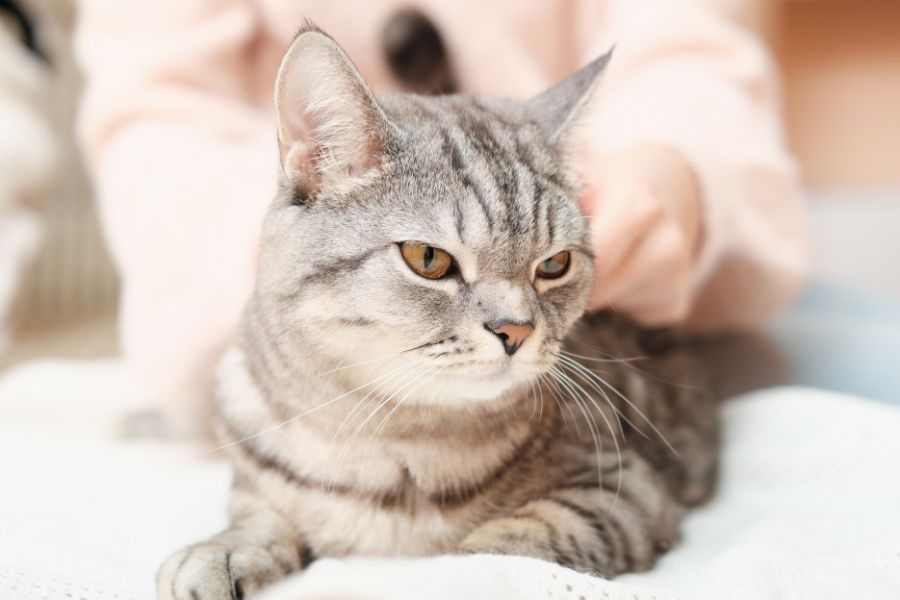
Does your dog tremble the moment you pull into the parking lot? Does your cat hide under the bed on appointment day? You are not alone. A nervous pet vet visit is one of the most common challenges pet owners face, and it is something veterinary teams think about deeply. Anxiety during veterinary care is not just stressful for you and your pet. It can affect the quality of the exam, delay care, and make pets increasingly resistant to future visits. The good news is that with the right preparation and a compassionate care team, most pets can learn to feel genuinely calm and safe at the vet. This guide walks you through why pets develop vet anxiety, what signs to watch for, and practical strategies that make every visit better for your pet and for you.
Why So Many Pets Feel Anxious at the Vet
Veterinary anxiety is far more common than most pet owners realize. Studies suggest that over 70% of dogs show at least one stress-related behavior during a vet visit, and cats are even more likely to experience high anxiety due to unfamiliar sights, sounds, and smells.
The root cause is usually not a single bad experience. More often, anxiety builds gradually. Pets pick up on their owner’s stress before leaving the house. The car ride itself can be associated with unpredictable destinations. The waiting room introduces strange animals, unfamiliar people, and clinical scents that trigger a threat response in even the most sociable pets.
Pets also have incredibly sensitive noses. The antiseptic smell of a clinic, combined with the scent of other animals in distress, sends a powerful signal to your pet’s nervous system long before anyone touches them. This is why some animals begin showing stress behaviors the moment they step through the front door.
Understanding the source of your pet’s anxiety is the first step toward helping them overcome it.
Signs Your Pet Is Stressed During a Vet Visit
Stress in pets does not always look like shaking or hiding. Many signs are subtle and easy to miss. Recognizing them early allows you and your veterinary team to slow down, adjust the approach, and keep your pet as comfortable as possible.
Watch for these signs in dogs:
- Yawning or lip licking when not tired or hungry is often a calming signal that signals discomfort
- Whale eye (showing the whites of the eyes) indicates tension or fear
- Panting without physical exertion, which often reflects emotional stress rather than heat
- Trembling or clinging to you, a direct sign of fear-based anxiety
- Low body posture or tucked tail, showing the pet is trying to appear smaller and non-threatening
Watch for these signs in cats:
- Crouching low in the carrier or refusing to come out, even when gently encouraged
- Rapid breathing or open-mouth panting, which is unusual in cats and signals significant stress
- Dilated pupils and flattened ears, a clear signal the cat is in a defensive state
- Hissing, growling, or swatting that is out of character for their normal temperament
In our clinical experience, a cat’s stress at vet appointments is one of the most underreported challenges because owners assume cats are simply unfriendly. In reality, most cats are reacting to the environment, not to the people in it. Identifying these behaviors early allows the care team to modify their approach before stress escalates.
How to Calm Your Pet Before the Appointment
Preparation at home makes a measurable difference. These steps can reduce anxiety before your pet ever reaches the clinic.
For dogs:
- Practice short, positive car rides that end somewhere fun, not always at the vet, so the car does not become a source of dread.
- Use a familiar blanket or worn t-shirt in the crate or back seat so your scent travels with them.
- Avoid feeding a large meal right before the visit to reduce the risk of nausea, which worsens anxiety.
- Speak calmly and avoid high-pitched, anxious tones. Dogs mirror human emotions closely.
- Ask your vet in advance about calming supplements or anxiety wraps if your dog has a history of severe stress.
For cats:
- Leave the carrier out in your home for several weeks before the appointment so it becomes a familiar, safe space.
- Spray the inside of the carrier with a feline calming pheromone product 30 minutes before travel.
- Cover the carrier with a light towel during transport to block visual stimuli.
- Minimize handling when loading the cat. Let them enter on their own when possible.
Knowing how to calm pet before vet appointments is one of the most valuable skills a pet owner can develop. Small, consistent steps at home produce real results over time.
What to Expect at 4 Paws Animal Clinic
At 4 Paws Animal Clinic, the vet team in Winter Park is trained to recognize and respond to fear and anxiety in pets before it escalates. From the moment you arrive, the goal is to create an environment that feels as safe and low-stress as possible.
Here is what a fear-conscious visit looks like:
- Calm check-in: You can call ahead to let the front desk know your pet is anxious. Staff can arrange direct room placement to minimize waiting room exposure.
- Separate species waiting areas: Cats and dogs are kept apart whenever possible to reduce environmental triggers.
- Low-approach handling: Veterinary staff use slow movements, speak softly, and allow pets to sniff and acclimate before beginning the exam.
- High-value treats: Unless the pet is on a restricted diet, treats are offered throughout the visit to create positive associations.
- Flexible pacing: If a pet needs a break during the exam, the team pauses rather than pushing through at the pet’s expense.
- Honest communication with you: If your pet needs additional support, such as a pre-visit anti-anxiety medication for future appointments, your veterinarian will discuss that option openly.
Building Long-Term Confidence in Your Pet
One positive visit can shift a pet’s entire association with veterinary care. The goal is not just to survive today’s appointment. It is to build a pattern where your pet learns that coming in means attention, gentleness, and good things.
A common misconception is that a nervous pet will always be a nervous pet. That is simply not true. With consistent desensitization, the right handling techniques, and a care team that prioritizes your pet’s emotional well-being, even the most anxious dog or cat can reach a point where vet visits no longer cause significant distress. An anxious dog at vet appointments today can become a calm, cooperative patient within a few visits when the experience is consistently positive.
The most important thing you can do is partner with a veterinary team that takes your pet’s anxiety seriously and works alongside you to address it.
If your pet feels fear at the vet, do not put off care. Delayed care because of anxiety often leads to more serious health outcomes. Start the process now, and commit to making each visit a little better than the last. Book an appointment today.
Frequently Asked Questions
Q: How do I know if my pet has true vet anxiety or just normal nervousness?
Ans: Normal nervousness involves mild signs like panting or restlessness that resolve quickly once your pet settles in. True anxiety involves persistent, escalating behaviors like trembling, aggression, or inability to be examined safely. If your pet’s stress prevents a thorough exam or has gotten worse over time, speak with your veterinarian about a structured anxiety management plan.
Q: Should I sedate my pet before a vet visit?
Ans: Sedation or anti-anxiety medication is sometimes the kindest option for severely anxious pets. It is not a last resort; it is a medical tool that makes the experience safer and less traumatic. Your veterinarian can prescribe a mild pre-visit medication if your pet’s anxiety level warrants it. This is always discussed on a case-by-case basis based on your pet’s health history.
Q: Is it better to bring my cat in a carrier or let them roam in the car?
Ans: Always use a carrier for cats. A loose cat in a moving vehicle is a safety hazard for both the driver and the animal. A secure, covered carrier also reduces visual stimulation during transit, which lowers stress significantly. Top-loading carriers are often less stressful than front-loading ones because they allow easier access without forcing the cat to be pulled out.
Q: What if my dog lunges or snaps at the vet staff?
Ans: Let the front desk know before you arrive so the team can prepare. Muzzle training at home, done positively with treats, allows a muzzle to be placed calmly if needed without adding to your dog’s stress. A good veterinary team will not shame you or your pet. They will work with you to make the visit as manageable as possible.
Q: How often should I bring my nervous pet in just to practice being at the vet?
Ans: Happy visits, where your pet comes in with no exam scheduled just to get treats and positive attention from staff, are one of the most effective tools for reducing vet anxiety. Even one or two short drop-in visits between appointments can make a significant difference in how your pet responds over time. Ask the front desk if drop-in visits are available.