
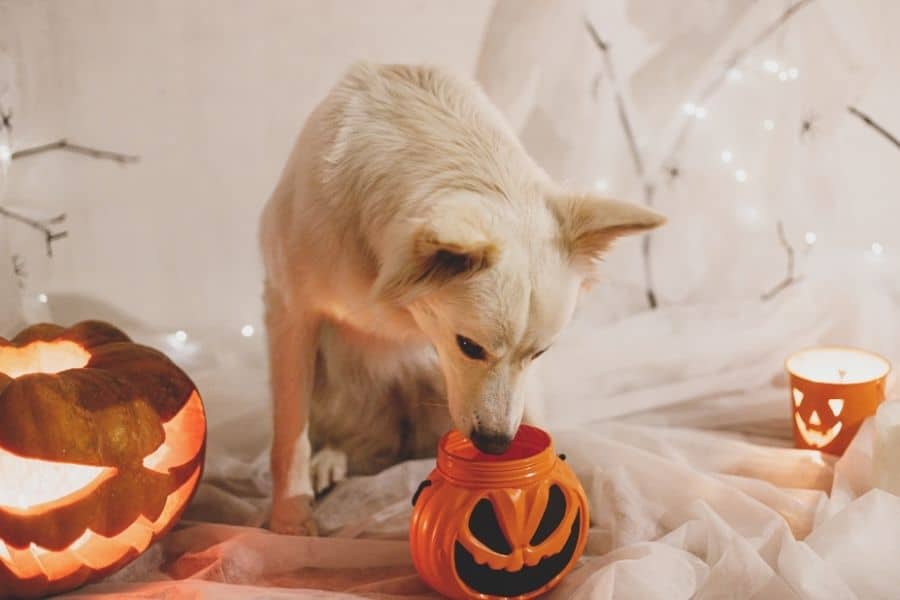
While every piece of Halloween candy in the bowl is off-limits for dogs, the holiday does not have to leave your pet out of the celebration. Dog-friendly Halloween treats are homemade options that are simple to prepare, use ingredients from most grocery stores, and give your dog something genuinely enjoyable that is made specifically for them. Making dog treats at home also gives you complete control over every ingredient, which matters more during Halloween than at any other time of year, when toxic substances like xylitol, chocolate, and raisins are present throughout the house in greater volume than usual. This guide walks through the safest, most reliable homemade treat options for dogs, covers exactly which ingredients to use and which to avoid, and includes recipes that work for dogs of every size.
Why Homemade Treats Are a Smart Halloween Choice
The case for making dog treats at home during Halloween goes beyond fun. It is a practical safety measure. Commercially available treats sometimes contain ingredient lists that need careful reading not all of them are formulated with the same quality standards, and some include additives or sweeteners that dogs should not have. When you make treats yourself, you start with whole food ingredients and add nothing else.
Safe ingredients for homemade dog treats during the fall season include a specific set of options that are both widely available and well-tolerated by most dogs. Understanding the criteria for what goes into a safe dog treat is as important as the recipes themselves.
A safe ingredient for a dog treat is one that is species-appropriate, free of toxic compounds, used in a form that your dog can digest, and offered in a portion size that respects your dog’s daily caloric needs. Treats should never make up more than 10% of a dog’s daily caloric intake, regardless of how wholesome the ingredients are.
In Winter Park, FL, October temperatures are mild to warm, which means both baked treats and frozen treats are equally practical options throughout the Halloween season. This guide includes both.
What Not to Put in Homemade Dog Treats
Before the recipes, the exclusion list. What not to put in homemade dog treats is the non-negotiable foundation of safe home baking for dogs.
Xylitol: Present in some peanut butters, sugar-free yogurt brands, some oat-based baking mixes, and many sweetener products. Toxic to dogs in very small amounts. Read every ingredient label before using any product in a dog treat recipe, even on brands you have used before. Formulations change.
Chocolate or cocoa powder: Any recipe that includes cocoa, chocolate chips, or chocolate extract is entirely off-limits for dogs. There is no safe version of a chocolate dog treat.
Raisins or grapes: Never in any dog treat, in any amount. Toxic to dogs with potential for kidney failure even at low doses.
Nutmeg: Common in fall and pumpkin recipes for humans. Toxic to dogs in amounts that are not large by baking standards. Any recipe calling for pumpkin pie spice, which typically contains nutmeg and cinnamon, should be replaced with plain pumpkin only.
Cinnamon: While not severely toxic in trace amounts, cinnamon can cause mouth irritation, digestive upset, and in concentrated powdered form, respiratory problems in dogs. Leave it out of dog treat recipes entirely.
Added salt or sugar: Neither adds value to a dog treat, and both cause harm in excess. Dogs do not need flavor enhancers to enjoy their food the base ingredients are enough.
Onion or garlic in any form: Toxic to dogs in fresh, dried, and powdered form. Not typically found in sweet treat recipes, but relevant for any savory treat made from leftover human food.
Baked Dog Treats: Pumpkin Peanut Butter Biscuits
This pumpkin dog biscuit recipe for Halloween is the most popular homemade option for a reason: most dogs find pumpkin and peanut butter highly palatable, the ingredients are easy to source, and the biscuits keep well.
Ingredients:
- 1 cup plain canned pumpkin (pure pumpkin only not pie filling, which contains nutmeg and sweeteners)
- 2 large eggs
- 2 tablespoons plain peanut butter (check label: peanuts only, or peanuts and salt no xylitol, no added sweetener)
- 2.5 cups whole wheat flour or oat flour, plus extra for rolling
Instructions:
- Preheat oven to 350°F. Line a baking sheet with parchment paper.
- Mix pumpkin, eggs, and peanut butter together until smooth.
- Add flour in stages, stirring until a firm, non-sticky dough forms. Add more flour one tablespoon at a time if the dough is too wet to handle.
- Roll to approximately ¼-inch thickness on a lightly floured surface.
- Cut with Halloween-themed cookie cutters: pumpkins, bones, paw prints, or ghosts.
- Bake 22 to 25 minutes until firm and lightly golden on the edges.
- Cool completely on a wire rack before serving.
Storage: Sealed container at room temperature for up to 5 days, refrigerated for up to 2 weeks, or frozen for up to 3 months.
No-Bake Dog Treats for Halloween
No-bake dog treats and Halloween options are ideal for a warm October evening or when baking time is limited. These require no oven and minimal preparation.
Frozen Pumpkin Yogurt Bites
- ½ cup plain canned pumpkin
- 1 cup plain unsweetened yogurt (check for xylitol some yogurts now contain it)
- Optional: 1 tablespoon plain peanut butter with no additives
Mix all ingredients until smooth. Pour into silicone ice cube trays or Halloween-themed silicone molds in pumpkin, ghost, or skull shapes. Freeze for a minimum of 4 hours. Pop out and serve directly from freezer.
These work well as a reward during the Halloween evening, giving your dog something cold and engaging while the candy activity happens around them. A licking and chewing activity supports the natural calming process in dogs the physical action of working at a frozen treat has a mild regulatory effect on the stress response.
Sweet Potato Chews
- 1 medium sweet potato, plain and unpeeled (or peeled if preferred)
Wash and slice into ¼-inch rounds. Place on a parchment-lined baking sheet and bake at 250°F for 2 to 3 hours until dehydrated and leathery. Alternatively, use a food dehydrator at the appropriate setting for root vegetables. Cool completely. These keep for up to 2 weeks at room temperature in an airtight container.
For Halloween theming, use a small cookie cutter to punch ghost or pumpkin shapes from each slice before dehydrating. The shaping step adds one minute of prep and produces a treat that actually looks festive.
Portion Guidelines for Halloween Dog Treats
Safe ingredients for homemade dog treats are only part of responsible treat-making. Portion control matters even when every ingredient is wholesome.
Small dogs under 15 pounds: one to two small biscuits or one frozen bite per occasion. Medium dogs 15 to 50 pounds: two to three biscuits or one to two frozen bites. Large dogs over 50 pounds: up to four to five small biscuits or two to three frozen bites.
Adjust downward for dogs who are overweight, diabetic, or managing any dietary condition. If your dog has a known health condition that affects their diet, confirm appropriate treat ingredients and portion sizes with your veterinarian before introducing new items, including homemade ones.
A misconception that comes up regularly: homemade means unlimited. Whole food ingredients still contain calories. A dog that eats ten frozen pumpkin bites in one evening alongside their regular meals has had a meaningful caloric addition, regardless of how natural each ingredient is.
Conclusion
The team at 4 Paws Animal Clinic believes that great veterinary care includes supporting the choices pet owners make at home, including what goes into their pet’s food and treats. Dog-friendly Halloween treats and homemade recipes made with safe, species-appropriate ingredients give your dog something to genuinely enjoy on a night that is otherwise full of things that are not for them. Book an appointment today.
Frequently Asked Questions
Q: Can I use any peanut butter for homemade dog treats?
Ans: No. Always read the ingredient label before using peanut butter in a dog treat recipe. Some brands contain xylitol, which is extremely toxic to dogs. Choose peanut butter that lists only peanuts, or peanuts and salt, and preferably choose an unsalted variety. Check the label each time you buy, even on familiar brands.
Q: Is canned pumpkin safe for dogs to eat?
Ans: Plain canned pumpkin, not pumpkin pie filling, is safe and beneficial for most dogs. It is high in fiber, low in calories, and supports digestive health. Pumpkin pie filling contains cinnamon, nutmeg, and sweeteners that are not appropriate for dogs and should never be used in a dog treat recipe.
Q: How long do homemade dog treats keep?
Ans: Baked biscuits without preservatives keep for approximately 5 days at room temperature in a sealed container, up to 2 weeks refrigerated, and up to 3 months frozen. Frozen treats keep for up to 3 months in the freezer. Because homemade treats contain no commercial preservatives, they have a shorter shelf life than store-bought options.
Q: Can I make these treats for a dog with a sensitive stomach?
Ans: For dogs with known digestive sensitivities, introduce any new treat gradually and in small amounts before Halloween. Plain pumpkin is actually one of the more gut-friendly ingredients for dogs with sensitive digestion. If your dog has a diagnosed dietary condition or food allergy, consult your veterinarian about which specific ingredients are appropriate before baking.
Q: Are these treat recipes also safe for cats?
Ans: These recipes are designed for dogs. Cats are obligate carnivores with different nutritional requirements. Carbohydrate-heavy baked treats are not suitable for cats. For cats, appropriate Halloween treats include small pieces of plain cooked chicken, turkey, or fish, or commercial cat treats formulated specifically for feline nutritional needs.