
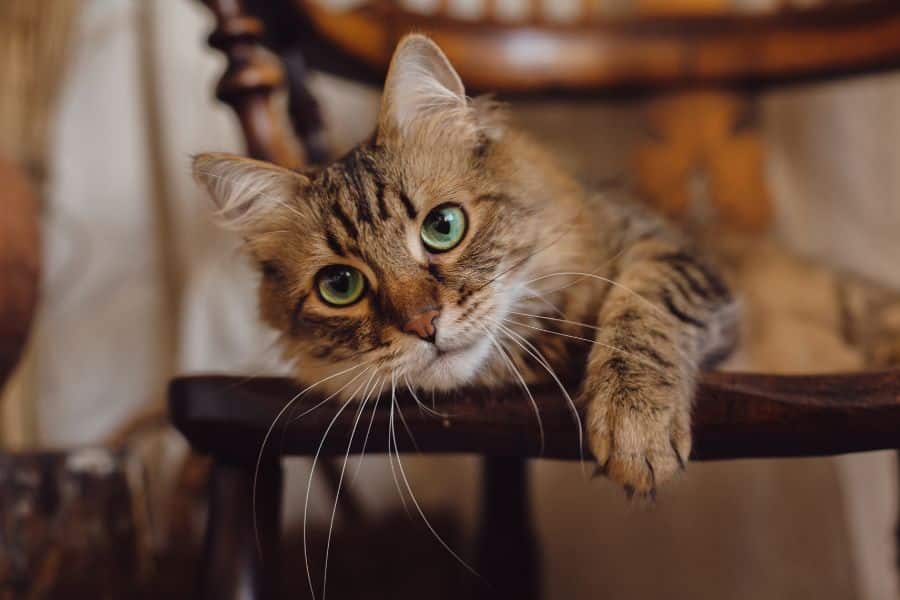
Your cat is drinking more water than usual. She seems hungrier, yet she keeps losing weight. Something feels off, but you’re not sure what. These are the kinds of changes that cat owners often brush off as quirks, but they can be early warnings of a serious condition. Cat diabetes symptoms are easy to miss in the beginning. By the time many cats are diagnosed, the disease has already progressed. The good news is that diabetes in cats is manageable when caught early. This article walks you through the signs to watch for, what causes the condition, how it is diagnosed and treated, and what you can do at home to support your cat’s health long-term.
Understanding Feline Diabetes
Diabetes mellitus in cats occurs when the body cannot properly regulate blood sugar. Either the pancreas stops producing enough insulin, or the body’s cells stop responding to insulin effectively. Without insulin, glucose builds up in the bloodstream instead of entering the cells where it is needed for energy.
Cats most commonly develop Type 2 diabetes, similar to the form seen in humans. This means the body still produces some insulin, but not enough to meet demand. Over time, the pancreas can become exhausted, making the condition worse.
Diabetes is more common than many cat owners realize. Studies estimate that between 0.5 and 2 percent of cats develop diabetes during their lifetime. Middle-aged to older cats, males, and overweight cats are at significantly higher risk. Neutered male cats are particularly susceptible.
What Are the Early Signs of Diabetes in Cats?
Early cat diabetes symptoms include increased thirst, more frequent urination, unexpected weight loss, and a noticeably larger appetite despite losing body condition.
These four signs often appear together and tend to develop gradually. A cat may seem fine for months before the pattern becomes obvious. If you notice any combination of these changes, contact your veterinarian promptly.
Other signs that can indicate diabetes include:
- Increased water intake: Your cat visits the water bowl far more often than before. This happens because the kidneys work harder to filter excess glucose from the blood.
- Frequent urination: You may notice the litter box needs cleaning more often, or you may spot accidents outside the box. This is a direct result of increased fluid intake.
- Weight loss despite a good appetite: A cat losing weight fast while eating normally is one of the clearest red flags. Without insulin, the body breaks down fat and muscle for fuel instead of using blood sugar.
- Lethargy: Diabetic cats often become less active and less interested in play. Cells starved of energy leave the cat feeling tired.
- Poor coat condition: A dull, unkempt coat or dandruff can signal that something is wrong internally.
- Weakness in the back legs: A flat-footed walk or wobbly gait, caused by a nerve condition called diabetic neuropathy, can develop in cats with uncontrolled diabetes.
In our experience, pet owners often notice weight loss and lethargy first, but connect them to aging rather than illness. If your cat is seven years or older and showing these signs, a veterinary checkup is worth scheduling right away.
Why Do Cats Develop Diabetes?
The causes of feline diabetes are rarely a single factor. Several contributors often combine to push a cat toward the condition over time.
Obesity is the most significant risk factor. Excess body fat reduces insulin sensitivity, meaning the body must produce more and more insulin to do the same job. Eventually, the system cannot keep up. This is why maintaining a healthy weight throughout your cat’s life matters so much.
Diet plays a major role as well. Cats are obligate carnivores, meaning their bodies are built to run on protein and fat, not carbohydrates. High-carbohydrate dry food diets have been linked to an increased risk of diabetes in cats, particularly when fed long-term. Signs of diabetes in cats often appear in those with a long history of high-carb feeding.
Age, genetics, and hormonal disorders, such as hyperthyroidism or acromegaly, also raise the risk. In Florida’s warm climate, indoor-only cats that live sedentary lifestyles are especially prone to weight gain, which compounds these risks. One of the most common questions we get from pet owners is whether diabetes can be reversed in cats. The answer is yes, in some cases, particularly when caught early and when weight management is part of the treatment plan.
How Vets Diagnose and Treat Cat Diabetes
Diagnosing diabetes requires more than observing symptoms. A veterinarian confirms the condition through blood and urine testing. Diagnostic care for cat patients typically includes a fasting blood glucose test and a urinalysis to check for glucose and ketones in the urine. Because blood sugar can spike temporarily from stress in cats, a test called fructosamine is sometimes used to measure average glucose levels over the past two to three weeks, giving a more reliable picture.
Once diagnosed, treatment is tailored to your cat’s individual needs. The general approach follows these steps:
- Insulin therapy: Most diabetic cats require insulin injections once or twice daily. Your vet will teach you how to administer these safely at home.
- Dietary change: A low-carbohydrate, high-protein diet is strongly recommended. This often means switching from dry kibble to wet or prescription food.
- Weight management: If your cat is overweight, gradual weight loss under veterinary supervision is a core part of treatment.
- Blood glucose monitoring: Your vet will schedule regular rechecks and may recommend home glucose monitoring between visits.
- Follow-up adjustments: Insulin doses often need adjustment over time, especially if your cat enters diabetic remission.
Many cats go into remission with proper treatment, meaning they no longer need insulin. Remission is most likely in cats that start treatment early, lose weight, and switch to an appropriate diet.
Caring for a Diabetic Cat at Home
Managing a diabetic cat at home is a commitment, but it is very manageable with the right routine. Pet owners often tell us that within a few weeks, insulin injections become a normal, stress-free part of the daily schedule.
Here are practical diabetic cat care tips to keep your cat stable between vet visits:
- Feed consistent meals: Give the same food at the same times every day. Consistency in feeding helps keep blood sugar predictable.
- Schedule insulin after meals: Most cats receive insulin injections after eating to reduce the risk of dangerously low blood sugar.
- Watch for hypoglycemia: Signs of low blood sugar include weakness, wobbling, or unresponsiveness. If this happens, rub a small amount of corn syrup on your cat’s gums and contact your vet immediately.
- Keep the litter box clean and visible: This makes it easier to notice changes in urination frequency.
- Limit stress: A calm environment helps keep blood sugar levels more stable.
A common misconception is that a diabetic cat can no longer live a long, comfortable life. In reality, many diabetic cats thrive for years with proper management. The team at 4 Paws Animal Clinic works closely with cat owners in Winter Park to build a realistic, sustainable care plan for each patient.
Conclusion
Cat diabetes is a serious condition, but it is not a death sentence. Recognizing cat diabetes symptoms early gives your cat the best chance at remission or long-term stability. Increased thirst, weight loss, frequent urination, and changes in energy or gait are signs that deserve prompt veterinary attention. A low-carbohydrate diet, regular insulin administration, and consistent vet visits are the foundation of successful management. With the right care, diabetic cats live full, comfortable lives. The 4 Paws Animal Clinic vet team is here to help you every step of the way. Book an appointment today.
Frequently Asked Questions
Q: What are the first signs of diabetes in cats?
Ans: The earliest signs are increased thirst, more frequent urination, unexplained weight loss, and a larger appetite despite losing body condition. These changes often appear gradually and may be mistaken for normal aging.
Q: Can cat diabetes be cured?
Ans: Some cats achieve diabetic remission, meaning they no longer need insulin injections. Remission is most likely when diabetes is caught early, the cat loses weight, and diet is improved. Not all cats reach remission, but many are managed successfully long-term.
Q: How is diabetes in cats diagnosed?
Ans: A veterinarian diagnoses diabetes through blood glucose testing and urinalysis. A fructosamine test may also be used to measure average blood sugar over the past few weeks, which provides a more reliable result than a single reading.
Q: What do I feed a diabetic cat?
Ans: A low-carbohydrate, high-protein diet is strongly recommended for diabetic cats. Wet food is generally preferred over dry kibble. Your veterinarian can recommend a specific prescription or commercial diet suited to your cat’s needs.
Q: How often does a diabetic cat need to see a vet?
Ans: Most diabetic cats need veterinary rechecks every one to three months, especially during the first year of treatment. More frequent visits may be needed when adjusting insulin doses or monitoring for remission.