
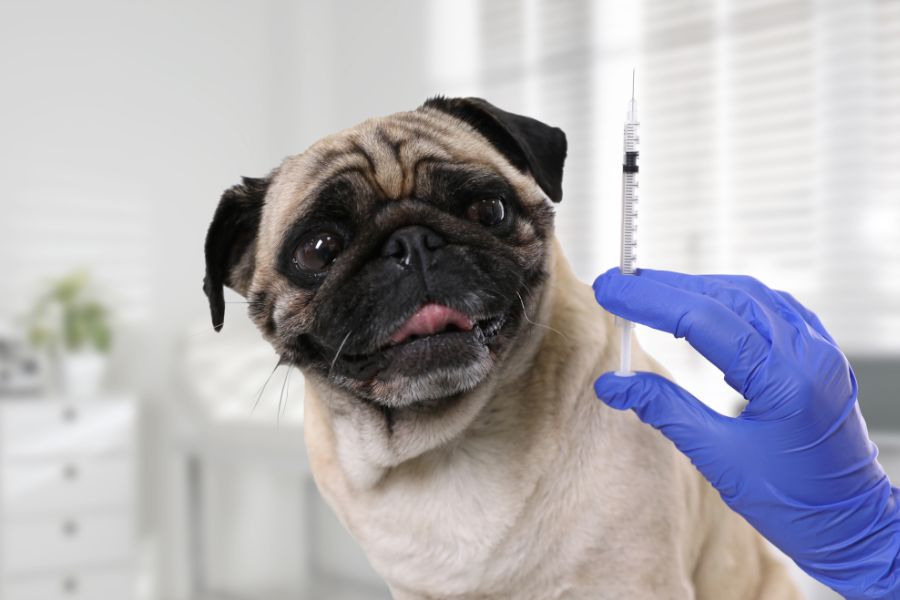
Vaccination decisions can feel confusing for pet owners, especially when you hear terms like “core” and “non-core” vaccines during a veterinary visit. Many owners wonder why some vaccines are considered necessary for every pet while others depend on lifestyle, age, or exposure risks. Understanding the difference helps you make informed choices that support your pet’s long-term health.
If you’re a pet owner in Winter Park, FL, this blog is especially for you. Learning how pet vaccinations form the primary care for your pets can help you better understand disease prevention and your pet’s healthcare needs. Scheduling a visit with 4 Paws Animal Clinic can also help you determine which vaccines fit your pet’s lifestyle and risk factors.
Why Vaccinations Matter Throughout Your Pet’s Life
Vaccines help prepare your pet’s immune system to recognize and fight dangerous diseases before serious illness develops. Dogs and cats encounter viruses and bacteria through parks, boarding facilities, wildlife exposure, grooming appointments, and even shared water bowls.
Vaccinations support both individual pet health and community-wide disease prevention.
Benefits of routine vaccinations include:
- Disease prevention: Vaccines lower the risk of severe infections.
- Reduced medical costs: Preventing illness often avoids expensive treatments later.
- Protection for vulnerable pets: Vaccinated pets help reduce the spread of disease.
- Safer social interactions: Boarding facilities and daycare centers often require proof of vaccination.
- Longer-term wellness support: Consistent preventive care contributes to healthier aging.
Vaccination schedules vary depending on your pet’s species, age, lifestyle, travel habits, and overall health status.
Understanding Core Vaccines for Dogs and Cats
Core vaccines are considered essential for nearly all pets, regardless of lifestyle. These vaccines protect against diseases that are widespread, highly contagious, or potentially life-threatening.
Veterinarians generally recommend core vaccines for every dog and cat unless a medical condition prevents vaccination.
Core Vaccines Commonly Recommended for Dogs
Dogs typically receive several core vaccines during puppyhood, followed by boosters later in life.
Common canine core vaccines include:
- Rabies vaccine: Protects against a fatal viral disease affecting animals and humans.
- Distemper vaccine: Helps prevent severe respiratory, neurological, and gastrointestinal illness.
- Parvovirus vaccine: Reduces the risk of dangerous intestinal infections.
- Adenovirus vaccine: Helps protect against canine hepatitis and respiratory disease.
Puppies often receive these vaccines in a series to strengthen immunity during early development.
Core Vaccines Frequently Recommended for Cats
Cats also require protection against highly contagious viral diseases.
Core feline vaccines often include:
- Rabies vaccine: Required in many areas for public health protection.
- Feline panleukopenia vaccine: Helps prevent severe gastrointestinal illness.
- Feline herpesvirus vaccine: Reduces upper respiratory infection symptoms.
- Calicivirus vaccine: Helps protect against contagious respiratory disease.
Indoor cats still benefit from core vaccines since accidental exposure remains possible.
Non-Core Vaccines Depend on Lifestyle Risks
Non-core vaccines are optional vaccines recommended based on a pet’s environment, activities, and exposure risks. Not every dog or cat requires every non-core vaccine.
Veterinarians evaluate lifestyle details before recommending these vaccinations.
Factors influencing non-core vaccine recommendations include:
- Outdoor access
- Boarding frequency
- Grooming visits
- Exposure to wildlife
- Travel habits
- Multi-pet households
- Regional disease risks
Lifestyle-based recommendations help balance protection with individual pet needs.
Common Non-Core Vaccines for Active Dogs
Dogs with social or outdoor lifestyles may benefit from additional vaccine protection.
Kennel Cough Vaccines For Social Dogs
Bordetella vaccines help reduce the risk of kennel cough, a contagious respiratory illness commonly spreading in group settings.
Dogs may benefit from Bordetella vaccination if they frequently:
- Visit dog parks
- Attend daycare
- Stay at boarding facilities
- Participate in training classes
- Visit grooming salons
Kennel cough spreads quickly through close contact and shared air spaces.
Leptospirosis Protection for Outdoor Adventures
Leptospirosis is a bacterial disease spread through contaminated water and exposure to wildlife.
Dogs with outdoor lifestyles may face a higher risk during:
- Hiking trips
- Camping activities
- Backyard wildlife encounters
- Standing water exposure
Leptospirosis can affect both pets and humans, making prevention especially important in certain environments.
Lyme Disease Vaccines for Tick Exposure
Lyme disease vaccines may help protect dogs frequently exposed to ticks.
Higher-risk situations include:
- Wooded hiking trails
- Tall grassy areas
- Camping trips
- Rural outdoor environments
Tick prevention products remain important even with vaccination.
Lifestyle Factors Shape Feline Vaccine Decisions
Cats may also receive non-core vaccines depending on their exposure risks.
Feline Leukemia Vaccine Considerations Explained
Feline leukemia virus spreads through close contact with infected cats.
Veterinarians may recommend this vaccine for:
- Outdoor cats
- Cats living with infected cats
- Cats entering shelters or rescues
- Young cats with uncertain exposure histories
Feline leukemia can weaken the immune system and increase susceptibility to illness.
Puppy and Kitten Vaccination Timing Matters
Young pets require carefully timed vaccine schedules to build immunity effectively.
Maternal antibodies received from nursing can temporarily interfere with vaccines. Multiple doses help ensure proper immune response during growth.
Typical vaccination timing often includes:
- 6–8 weeks: Initial vaccine series begins.
- 10–12 weeks: Booster vaccines strengthen protection.
- 14–16 weeks: Final puppy or kitten boosters occur.
- One year later: Follow-up booster vaccines maintain immunity.
Adult pets continue receiving boosters based on vaccine type and veterinary recommendations.
Vaccine Side Effects Usually Remain Mild
Most pets tolerate vaccines well with only mild, short-term side effects.
Common temporary reactions may include:
- Mild tiredness
- Slight soreness
- Reduced appetite
- Minor swelling near the injection sites
Severe reactions remain uncommon but may require immediate veterinary attention.
Pet owners should contact a veterinarian if they notice:
- Facial swelling
- Difficulty breathing
- Persistent vomiting
- Severe lethargy
- Collapse
Monitoring pets after vaccination appointments helps identify rare reactions quickly.
Preventive veterinary care plays an important role in helping dogs and cats stay healthier throughout every stage of life. Vaccination planning, wellness exams, and routine screenings all contribute to earlier disease detection and stronger long-term protection.
Indoor Pets Still Need Certain Vaccines
Indoor pet owners sometimes believe vaccinations are unnecessary. Indoor pets can still encounter contagious diseases through accidental escapes, visitors, shared surfaces, or emergency boarding situations.
Vaccines continue to provide important protection, even for animals that spend most of their time indoors.
Potential indoor exposure risks include:
- Open doors or windows
- Contact with visiting pets
- Shared veterinary spaces
- Wildlife entering garages or yards
- Temporary boarding stays
Core vaccines remain valuable for both indoor and outdoor pets.
How Veterinarians Determine Vaccine Schedules
Vaccination recommendations are never completely identical for every pet. Veterinarians assess several individual factors before creating a schedule.
Important considerations include:
- Age
- Breed
- Existing medical conditions
- Lifestyle habits
- Previous vaccine history
- Travel frequency
- Local disease prevalence
Customized vaccine planning helps avoid unnecessary vaccinations while maintaining proper disease protection.
Antibody Testing Sometimes Guides Future Decisions
In some cases, veterinarians may recommend antibody titer testing to assess immunity to certain diseases.
Titer testing may help:
- Assess vaccine response
- Guide booster timing
- Support pets with medical concerns
- Reduce unnecessary repeat vaccinations
Not every vaccine has reliable titer testing available, so veterinarians still rely on standard guidelines for many diseases.
Protecting Pets Starts With Informed Decisions
Understanding the difference between core and non-core vaccines helps pet owners make more informed healthcare choices for their dogs and cats. Vaccination plans work best when tailored to your pet’s age, lifestyle, and potential exposure risks, rather than a one-size-fits-all approach.
If you’re in Winter Park and searching for pet vaccinations near you, book an appointment with 4 Paws Animal Clinic. Our team helps evaluate your pet’s lifestyle, clearly explain vaccine schedules, and guide you through preventive care decisions that support long-term health and protection.
FAQs
- Why do some dogs need Bordetella vaccines more frequently?
Dogs visiting daycare, grooming salons, or boarding facilities face repeated exposure to respiratory infections. Frequent social contact increases transmission risks, making more regular Bordetella boosters beneficial for certain lifestyles.
- Can older pets safely continue receiving vaccines?
Senior pets often still benefit from vaccinations. Veterinarians evaluate medical history, immune health, lifestyle exposure, and previous vaccine records before adjusting vaccination schedules for aging dogs and cats.
- Why are indoor cats vaccinated against respiratory viruses?
Respiratory viruses spread easily through contaminated clothing, carriers, surfaces, or unexpected escapes outdoors. Vaccination helps reduce illness severity and protects indoor cats from accidental exposure situations.
- What happens if my puppy misses booster appointments?
Missing boosters may weaken developing immunity. Veterinarians may recommend restarting parts of the vaccine schedule depending on timing gaps, age, and previous doses already received.
- Are vaccine recommendations different for rescue pets?
Rescue pets may have unknown vaccination histories or higher exposure risks. Veterinarians often recommend updated vaccines and wellness evaluations to ensure proper disease protection after adoption.