
If your dog or cat has been breathing fire lately, that bad breath is trying to tell you something. Pet owners often brush off their dog’s smelly mouth as normal. It rarely is. Dental disease is one of the most common health problems we see in dogs and cats, and most cases are entirely preventable. Whether your pet chews on toys daily or never lets you near their mouth, dental health still needs professional attention. Scheduling time with a dog teeth cleaning vet is one of the most important things you can do for your pet’s long-term health. This article walks you through the warning signs to watch for, what a professional cleaning involves, and why staying on top of dental care could actually add years to your pet’s life.
What Is a Pet Dental Cleaning and Why Does It Matter?
A professional pet dental cleaning is much more than a quick polish. It involves a full oral exam, dental X-rays, scaling to remove tartar buildup above and below the gumline, and polishing the tooth surfaces. The procedure is performed under general anesthesia, so your pet stays still and comfortable throughout.
Dental disease is estimated to affect up to 80% of dogs and 70% of cats by the time they reach age three. That means the majority of pets are walking around with painful, infected mouths that their owners may not even know about. Left untreated, dental disease does not just affect the mouth. Bacteria from infected gums can travel through the bloodstream and damage the heart, kidneys, and liver.
Signs Your Pet Needs a Dog Teeth Cleaning Vet Visit
How do you know when your pet’s teeth have crossed the line from “could use a brushing” to “needs professional care now”? Here are the key warning signs:
- Persistent bad breath. A little odor after eating is normal. A consistently foul smell that does not go away is one of the most recognized signs of dog bad breath causes tied to dental disease, not food choices.
- Yellow or brown buildup on the teeth. Tartar accumulates over time and cannot be removed with brushing alone. Visible discoloration near the gumline is a red flag.
- Red, swollen, or bleeding gums. Inflamed gums signal gingivitis, the earliest stage of periodontal disease. This is reversible with treatment. Advanced stages are not.
- Dropping food or chewing on one side. Pain while eating is a clear indicator. Many pets will quietly change how they eat rather than show obvious distress.
- Pawing at the mouth or face. This behavior often points to oral pain, a loose tooth, or a gum abscess.
Pet owners often tell us their pet “seems fine” right up until a cleaning reveals multiple loose teeth or deep pockets of infection. Pets are experts at hiding discomfort. Do not wait for obvious signs before acting.
What to Expect at Animal Clinic
If your pet is coming in for a dental cleaning, here is what the process looks like step by step:
- Pre-anesthetic bloodwork. We check organ function to confirm your pet is safe for anesthesia before the procedure begins.
- Anesthesia and monitoring. Your pet is placed under general anesthesia and monitored throughout by trained staff.
- Full oral exam and X-rays. We examine every tooth and the surrounding tissue. X-rays reveal problems hidden beneath the gumline that are invisible to the naked eye.
- Scaling and cleaning. We remove plaque and tartar above and below the gumline using professional-grade instruments.
- Polishing. Tooth surfaces are smoothed to slow future tartar buildup.
- Extractions if needed. If a tooth is too damaged to save, removing it eliminates a source of ongoing pain and infection.
- Recovery and discharge. Most pets go home the same day, feeling more comfortable than they have in months.
Many pet owners in Winter Park are surprised by how calm and energetic their dog or cat acts after a cleaning. Relieving undetected pain makes a real difference.
Understanding Dog Bad Breath Causes
One of the most common questions we get from pet owners is whether bad breath is just part of having a dog. It is not. Dog bad breath causes almost always trace back to bacterial buildup in the mouth, which grows rapidly when tartar is left untreated.
Florida’s warm, humid climate creates an environment where bacteria thrive year-round. Unlike pet owners in colder states who may notice seasonal improvements, pets in Central Florida face consistent bacterial exposure that can accelerate dental disease progression.
The American Veterinary Dental College (AVDC) recommends annual dental exams for all pets, with cleanings scheduled based on your vet’s assessment. Smaller breeds and flat-faced breeds like Bulldogs and Persian cats often need more frequent cleanings due to crowded or misaligned teeth.
We frequently remind our clients that a foul smell coming from your pet’s mouth is not a hygiene quirk. It is a clinical symptom worth taking seriously.
Cat Dental Care Tips and How to Prevent Dental Disease at Home
Prevention between professional cleanings makes a real difference. Here are practical cat dental care tips that apply to dogs, too:
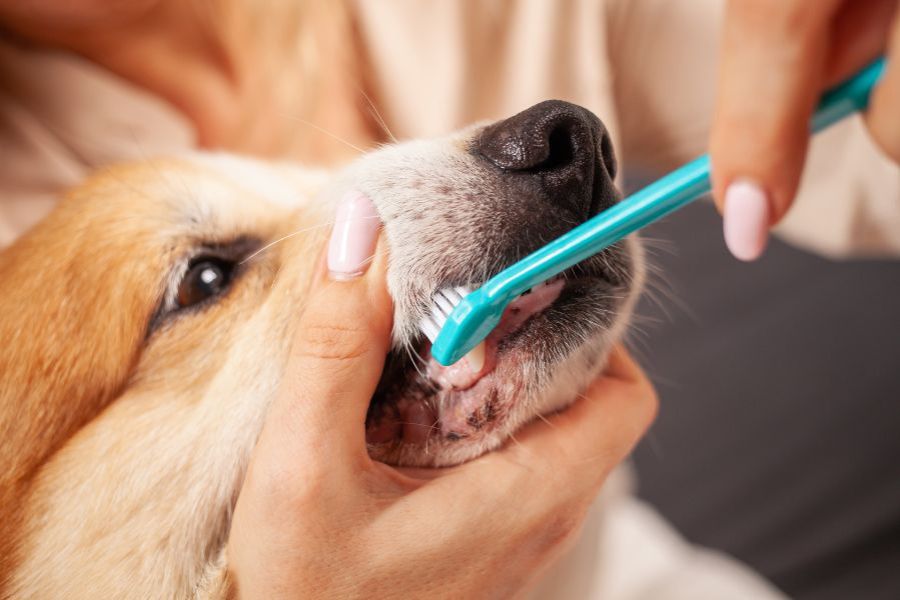
- Brush your pet’s teeth at home. Even a few times per week with a pet-safe toothpaste reduces plaque significantly. Start slowly and reward the process.
- Use dental chews or water additives. Look for products carrying the Veterinary Oral Health Council (VOHC) seal of acceptance. These are clinically tested to reduce tartar.
- Watch what your pet chews. Extremely hard objects like antlers or bones can fracture teeth. Stick to appropriately sized dental chews.
- Schedule annual wellness exams. Catching early signs of dental disease during a routine checkup is far less costly than treating advanced periodontal disease.
A common misconception is that dry kibble cleans a pet’s teeth. In our experience, kibble offers minimal dental benefit for most pets. It does not replace brushing or professional care. Cat dental care tips always start with hands-on home maintenance combined with regular vet visits.
Conclusion
Your pet cannot tell you their mouth hurts. That is why it is your job to watch for the signs. Discolored teeth, bad breath, swollen gums, and changes in eating habits are all signals that something is wrong beneath the surface. Dental disease progresses quietly and causes real pain if ignored. The good news is that it is highly treatable when caught early. Scheduling a dog teeth cleaning vet appointment once a year is one of the simplest ways to protect your pet’s overall health and quality of life. A healthier mouth means a healthier, happier pet and fewer costly health problems down the road. If you have noticed any of the signs described here, do not wait. Book an appointment at 4 Paws Animal Clinic today.
Frequently Asked Questions
How often should my dog or cat get a professional dental cleaning?
Ans: Most pets benefit from a professional dental cleaning once a year. Some breeds, particularly small dogs and flat-faced breeds, may need cleanings every six months. Your veterinarian will assess your pet’s oral health and recommend the right schedule based on their individual needs.
Is anesthesia safe for my pet during a dental cleaning?
Ans: Yes. General anesthesia is required for a thorough and safe dental cleaning. Pre-anesthetic bloodwork is performed to confirm your pet is healthy enough for the procedure. A trained team monitors your pet’s vitals throughout. The risks of untreated dental disease far outweigh the risks of a properly performed anesthetic procedure.
What does pet dental cleaning cost typically look like?
Ans: Pet dental cleaning costs vary depending on your pet’s size, the extent of tartar buildup, whether X-rays are needed, and whether any extractions are required. A basic cleaning is generally more affordable than treating advanced dental disease or the secondary health conditions it can cause. Your vet can provide a detailed estimate after an oral exam.
Can I tell if my pet has dental disease at home?
Ans: You can spot some warning signs at home, such as bad breath, visible tartar, and reluctance to eat. However, many serious signs of dog tooth decay occur below the gumline and are only visible on dental X-rays. A professional exam is the only way to get a complete picture of your pet’s oral health.
What happens if I skip my pet’s dental cleaning?
Ans: Skipping dental cleanings allows tartar and bacteria to build up over time. This leads to gingivitis, periodontal disease, painful tooth loss, and eventually systemic infections that can affect the heart, kidneys, and liver. Dental disease is progressive. The longer it goes untreated, the more invasive and expensive the treatment becomes.