
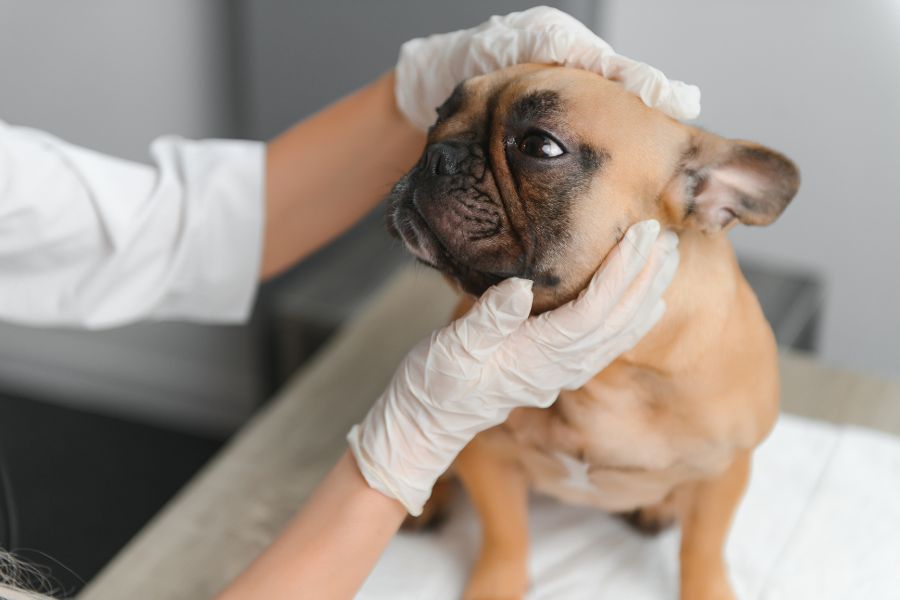
You know your pet better than anyone, noticing when they’re excited, when they’re sleepy, and when something just doesn’t seem right. However, pets can’t tell you where it hurts or how they’re feeling. Sometimes, the signs of illness are subtle. Other times, they’re hiding pain altogether.
As a pet owner, you play a critical role in your animal’s health. Observing changes in behavior, appetite, or energy can help you catch problems early. However, knowing when those changes require professional attention, and specifically when diagnostic testing is needed, can be confusing. Many conditions don’t show obvious symptoms until they’ve progressed, making early detection through testing essential.
This guide explores the signs that indicate your pet may need diagnostic testing, the types of tests available, and why timely action matters. Whether you’re noticing small shifts in behavior or more concerning symptoms, understanding when to take the next step can make all the difference. If you’re ever uncertain, don’t hesitate to reach out to your veterinarian for guidance.
Why Diagnostic Testing Matters for Your Pet’s Health
Diagnostic testing goes beyond what a physical exam can reveal. While veterinarians are trained to spot many issues through observation and palpation, some conditions require a closer look. Blood work, imaging, and other tests provide insight into what’s happening inside your pet’s body.
Think of diagnostic testing as a window into your pet’s internal health. It helps identify infections, organ dysfunction, metabolic disorders, and even cancer in its early stages. Some pets enjoy outdoor activity, putting them at risk of exposure to parasites, tick-borne diseases, and heat-related conditions, making regular screening even more valuable.
Early detection often means simpler, more effective treatment. A condition caught early may require only medication or dietary changes, while the same issue left untreated could lead to surgery or long-term complications. Diagnostic testing gives you and your veterinarian the information needed to make informed decisions about your pet’s care.
Common Signs Your Pet May Need Testing
Recognizing when your pet needs diagnostic testing starts with paying attention to changes in their daily routine and physical condition. Here are key signs that warrant a visit to the vet and potentially veterinary diagnostics:
Changes in Appetite or Thirst
A sudden increase or decrease in how much your pet eats or drinks can signal underlying issues. Conditions like diabetes, kidney disease, and thyroid problems often present this way.
Unexplained Weight Loss or Gain
If your pet is losing or gaining weight without changes to their diet or activity level, it’s worth investigating. Weight fluctuations can indicate metabolic disorders, parasites, or hormonal imbalances.
Lethargy or Reduced Energy
Every pet has lazy days, but persistent fatigue or reluctance to engage in normal activities could point to anemia, infection, or heart disease. If your usually playful dog no longer wants to chase their favorite ball, take note.
Vomiting or Diarrhea
Occasional stomach upset occurs, but repeated episodes require professional evaluation. These symptoms can indicate gastrointestinal infections, blockages, or toxicity.
Difficulty Breathing or Coughing
Labored breathing, wheezing, or persistent coughing should never be ignored. Respiratory issues can stem from heart disease, lung infections, or allergies, and diagnostic imaging is often necessary to pinpoint the cause.
Changes in Urination
Straining to urinate, blood in urine, frequent accidents, or inability to urinate are urgent signs. Urinary tract infections, bladder stones, and kidney disease require prompt testing and treatment.
Limping or Difficulty Moving
If your pet favors one leg, has trouble standing, or shows signs of pain when moving, they may have arthritis, injury, or joint disease. X-rays and other tests help determine the best course of action.
Types of Diagnostic Tests Your Veterinarian May Recommend
Veterinarians use a variety of diagnostic tools to assess your pet’s health. The type of test recommended depends on your pet’s symptoms and medical history.
- Blood work is one of the most common diagnostic tools. A complete blood count (CBC) evaluates red and white blood cells, helping detect infections, anemia, and immune disorders. A chemistry panel assesses organ function, electrolyte levels, and blood sugar, making it essential for diagnosing conditions like kidney disease and diabetes.
- Urinalysis examines your pet’s urine for signs of infection, crystals, or protein. It’s particularly useful for diagnosing urinary tract issues and monitoring kidney function.
- Imaging includes X-rays, ultrasounds, and sometimes CT scans or MRIs. These tests visualize bones, organs, and soft tissues, helping identify fractures, tumors, blockages, and heart abnormalities.
- Fecal exams check for parasites, bacteria, and other gastrointestinal issues. Regular fecal testing is especially important for pets that spend time outdoors or interact with other animals.
- Thyroid testing measures hormone levels and is commonly used in older pets experiencing weight changes, skin issues, or behavioral shifts.
When Routine Wellness Testing Makes Sense
Even when your pet seems perfectly healthy, routine diagnostic testing can catch problems before symptoms appear. Annual or biannual wellness exams often include baseline blood work, especially for senior pets or those with breed-specific health risks.
For younger pets, establishing baseline results creates a reference point for future comparisons. As pets age, their organ function naturally declines, and monitoring these changes helps your veterinarian intervene early.
Certain breeds are predisposed to specific conditions. For example, large-breed dogs are prone to hip dysplasia, while small breeds may develop dental disease or heart issues. Knowing your pet’s risk factors helps you and your vet decide on an appropriate testing schedule.
If your pet takes long-term medication, periodic testing helps ensure the treatment isn’t affecting liver or kidney function, keeping your pet safe and healthy throughout their life.
What to Expect During Diagnostic Testing
Understanding the testing process can ease your concerns and help you prepare. Most diagnostic tests are quick and minimally invasive. Blood draws typically take just a few minutes, and your pet may not even need sedation.
For imaging like X-rays or ultrasounds, your pet may need to be positioned carefully, which sometimes requires mild sedation to keep them still and comfortable. Your veterinarian will explain the process and answer any questions beforehand.
Results vary depending on the test. Blood work and urinalysis often return within a day or two, while more complex tests may take longer. Your vet will contact you to discuss findings and recommend a treatment plan if needed.
It’s natural to feel anxious while waiting for results, but remember that testing is a tool for clarity and action. Whatever the outcome, you’re taking an important step in caring for your pet.
The Real Impact of Early Detection
Early diagnostic testing can be life-saving for conditions like cancer, kidney disease, and diabetes, which are far more manageable when caught in their early stages. Treatment options are broader, outcomes are better, and quality of life improves.
Consider a pet with early-stage kidney disease. With regular monitoring and dietary adjustments, they can live comfortably for years. Without testing, the disease may progress silently until symptoms become severe and treatment options are limited.
Ignoring warning signs doesn’t make problems go away; it often makes them worse. Delayed diagnosis can lead to more invasive treatments, higher costs, and unnecessary suffering for your pet. On the other hand, acting quickly when something seems off shows the kind of care that strengthens your bond.
Your pet depends on you to recognize when something isn’t right. Trusting your instincts and seeking veterinary guidance when needed is one of the most loving things you can do.
Recognizing the Signs Keeps Your Pet Healthier Longer
Your pet’s health is too important to leave to chance. Paying attention to subtle changes, understanding the role of diagnostic testing, and acting promptly when concerns arise can add years to your pet’s life. You don’t have to diagnose the problem yourself; that’s what veterinarians are for, but you do need to recognize when it’s time to seek help.
Whether it’s a sudden behavior shift or a gradual decline, diagnostic testing provides answers that guide effective treatment. It removes the guesswork and gives you peace of mind. And when paired with routine wellness exams, it helps keep your pet thriving at every stage of life.
Whether you’re looking for routine wellness testing near you or need answers to specific symptoms, book an appointment at 4 Paws Animal Clinic. Don’t wait for small signs to become severe problems. Our team is here to support you and your pet with compassionate care and clear communication.
Frequently Asked Questions
- How often should my pet have diagnostic testing?
Ans: Healthy adult pets typically benefit from annual wellness testing, while senior pets or those with chronic conditions may need testing every six months. Your veterinarian will recommend a schedule based on your pet’s age, breed, and health history.
- Are diagnostic tests painful for pets?
Ans: Most diagnostic tests are minimally invasive and cause little to no discomfort. Blood draws may cause brief discomfort, similar to what humans experience. Sedation is used when necessary to keep your pet calm and safe during imaging procedures.
- What if my pet seems fine but test results show a problem?
Ans: Many serious conditions develop silently. Early detection through testing allows treatment before symptoms worsen. Follow your veterinarian’s recommendations for monitoring or treatment to ensure the best outcome for your pet’s long-term health.
- Can I request specific tests for my pet?
Ans: Absolutely. If you have concerns about a particular condition or symptom, share them with your veterinarian. They can discuss which tests are appropriate and help you understand what each one will reveal about your pet’s health.
- How long does it take to get diagnostic test results?
Ans: Most blood work and urinalysis results are available within 24 to 48 hours. Imaging results are often reviewed the same day. More specialized tests sent to outside laboratories may take several days. Your veterinarian will keep you informed throughout the process.